
The Ibero-American University Foundation (FUNIBER), through its International Academic Network, continues to promote the generation and dissemination of high-quality scientific knowledge. As part of this effort, it is publishing a study in which Dr. Irma Domínguez, academic coordinator of the Foundation’s Health and Nutrition Department and a member of the Research Group on Food, Nutritional Biochemistry, and Health at the Universidad Europea del Atlántico (European University of the Atlantic, UNEATLANTICO)—an institution belonging to the university network—is participating.
Diet plays a fundamental role in human health, not only because it provides the nutrients necessary for the body, but also because it modulates the immune system and influences biological processes such as inflammation. In this context, the study in which Dr. Irma Domínguez participates—published in the scientific journal Frontiers in Nutrition and titled “Inflammatory potential of the diet and self-rated quality of life in Italian adults”—analyzes the relationship between a dietary pattern with inflammatory potential and self-reported quality of life in a representative sample of Italian adults. A diet with inflammatory potential is a dietary pattern that promotes chronic inflammation, especially when it frequently includes ultra-processed foods, refined sugars, trans fats, and processed carbohydrates.
The research is based on the premise that low-grade chronic inflammation is one of the mechanisms involved in the development of numerous chronic diseases, including cardiovascular, metabolic, and neurodegenerative conditions. Various studies have shown that certain dietary patterns can modulate these inflammatory processes, either increasing or reducing the risk of developing these conditions. In this regard, the study set out to evaluate whether the inflammatory potential of the diet is also related to people’s perception of their own quality of life.
An Assessment of the Diet’s Inflammatory Potential
The study analyzed data from 1,936 men and women over the age of 18 in southern Italy. The participants’ dietary habits were assessed using a previously validated food frequency questionnaire, while the inflammatory potential of the diet was estimated using the Dietary Inflammatory Score (DIS), a tool that classifies dietary patterns based on their ability to promote or reduce inflammatory processes in the body.
In addition, self-reported quality of life was assessed using the Manchester Short Assessment of Quality of Life (MANSA) scale, which evaluates various aspects related to life satisfaction, physical and mental health, personal relationships, financial situation, leisure activities, and overall perception of well-being.
A More Inflammatory Diet Is Associated with a Lower Quality of Life
The results showed that a higher score for the diet’s inflammatory potential was associated with a lower perceived quality of life. Individuals with a diet high in inflammatory potential reported lower levels of overall life satisfaction, as well as a less favorable perception of their physical and mental health, social relationships, and personal safety.
This association remained even after accounting for the presence of cardiometabolic diseases such as obesity, hypertension, type 2 diabetes, or dyslipidemia. These findings suggest that the effect of diet on well-being could be explained, at least in part, by inflammatory mechanisms independent of these conditions.

The Role of Anti-Inflammatory Foods
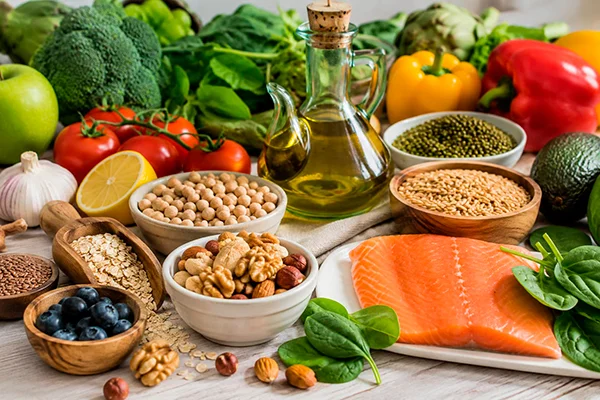
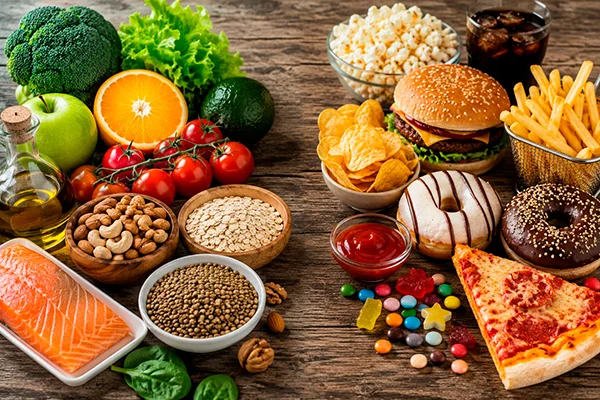
Analysis of dietary patterns revealed that participants with a diet with lower inflammatory potential consumed fruits, vegetables, legumes, whole grains, fish, nuts, and dairy products more frequently—foods characteristic of the Mediterranean diet and widely recognized for their high content of fiber, vitamins, minerals, and bioactive compounds such as polyphenols.
In contrast, those with higher scores on the inflammatory index tended to consume greater amounts of red and processed meats, refined grains, sweets, and sugary beverages, in addition to having a higher intake of saturated fats and a lower intake of omega-3 fatty acids, fiber, and essential micronutrients. These results support the scientific evidence linking a diet based on plant-based foods and minimally processed foods to a more favorable inflammatory profile.

Implications for Public Health
The study emphasizes that diet quality should not be viewed solely as a factor related to disease prevention, but also as an element that can significantly influence the population’s perceived well-being. Furthermore, the researchers note that habits such as smoking or a sedentary lifestyle can exacerbate the effects of a pro-inflammatory diet, underscoring the importance of promoting healthy lifestyles through a comprehensive approach.
If you’d like to learn more about this study, click here.
To read more research, check out the UNEATLANTICO repository.
Through its Scholarship Program and its University Network, FUNIBER facilitates access to graduate programs for professionals interested in delving deeper into areas such as nutrition and dietetics and public health. Those interested can complete the application form available on the FUNIBER website or contact the Foundation’s office in their country to receive personalized guidance on the application process.