

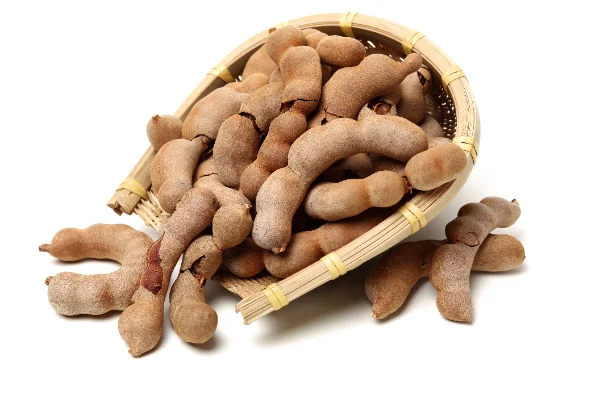
Dr. Maurizio Battino, director of the Ibero-American University Foundation (FUNIBER) at its headquarters in Italy and a renowned scientific researcher in the field of nutrition, has participated in a study titled “The Health Benefits of Tamarindus indica: A Focus on the Relationship Between Phytochemical Composition and Physiological Effects.” This study reviews the nutraceutical value of Tamarindus indica, commonly known as tamarind, and its relationship to phytochemical composition and various physiological effects beneficial to health.
The research, published in the scientific journal Nutrients, examines the role of this tropical species of the Fabaceae family—widely used for its culinary, medicinal, and industrial applications—with a special focus on the bioactive compounds present in its fruits and their potential contribution to the prevention and complementary treatment of various diseases.
Natural Products and Nutraceutical Potential
Currently, conventional pharmacotherapy for some of the most prevalent diseases continues to face limitations in terms of efficacy, accessibility, or side effects. In this context, natural products and foods with functional properties have gained increasing scientific relevance, especially due to their potential as sources of bioactive compounds capable of modulating processes related to oxidative stress, inflammation, lipid metabolism, or the antimicrobial response.
Tamarind has traditionally been used in various regions of the world to treat digestive discomfort, fever, wounds, diarrhea, parasitic infections, respiratory problems, and other conditions. However, although its folk uses are widespread, it is necessary to synthesize the available scientific evidence to better understand which components might explain its effects and under what conditions it could be considered a resource of interest in the field of nutrition and health.
Although previous research had already identified antioxidant, anti-inflammatory, antimicrobial, cardioprotective, antidiabetic, and hepatoprotective properties, the evidence remained scattered. The study in which Dr. Battino is participating synthesizes this knowledge and links the fruit’s phytochemical composition to its potential mechanisms of action and physiological effects.
Phytochemical Composition and Nutritional Value
The results show that the fruit of Tamarindus indica contains a wide variety of phytochemical compounds, including flavonoids, tannins, alkaloids, and saponins. These components are of significant interest due to their ability to counteract free radicals, enhance the activity of antioxidant and detoxification enzymes, exert antimicrobial effects, attenuate the activation of pro-inflammatory mediators, and regulate the expression of genes linked to lipid metabolism.
Tamarind pulp is notable for its content of carbohydrates, dietary fiber, and proteins, as well as essential minerals such as calcium, magnesium, phosphorus, and potassium.
It also contains vitamins such as thiamine, niacin, riboflavin, and ascorbic acid, as well as organic acids, particularly tartaric acid, which is largely responsible for its characteristic flavor. These elements help explain its nutritional importance and its potential as a functional food.
Antioxidant, Anti-inflammatory, and Antimicrobial Activity
The phenolic compounds present in Tamarindus indica show promising antioxidant potential by helping to neutralize reactive oxygen species and strengthen cellular defense mechanisms. This activity is of particular interest, as oxidative stress is closely linked to the development of chronic diseases, such as cardiovascular, metabolic, inflammatory, and degenerative conditions. In addition, some compounds in tamarind may exert an anti-inflammatory effect by reducing the activation of inflammation-related mediators, although the researchers emphasize the need for more rigorous clinical studies to confirm these benefits in humans.
The review also identifies significant antimicrobial activity in various extracts of Tamarindus indica, which are capable of inhibiting the growth of different microorganisms, thereby supporting some of its traditional uses. This potential opens up new avenues for the development of natural dietary supplements; however, the authors emphasize that, before their application, it is essential to more precisely evaluate aspects such as safety, appropriate dosages, and contexts of use, in order to ensure their efficacy and responsible use.
Metabolic Implications and New Lines of Research
The review notes that certain compounds in tamarind may influence lipid metabolism by regulating specific genes, which would help explain their potential antihyperlipidemic and cardioprotective effects. Furthermore, several studies suggest a potential antidiabetic and hepatoprotective effect—characteristics of great interest given the growing global incidence of metabolic and liver diseases.
The authors conclude that tamarind represents a promising source of bioactive compounds with potential health applications. However, they emphasize the need for further research and clinical trials to confirm its efficacy, establish safe dosages, and better understand its mechanisms of action. These advances will help strengthen the development of functional foods and nutraceuticals based on scientific evidence.
If you’d like to learn more about this study, click here.
To read more research, check out the UNEATLANTICO repository.
FUNIBER promotes education in the fields of health and nutrition, which is why it offers scholarships to study programs such as the International Master’s in Nutrition and Dietetics, designed for professionals interested in delving deeper into the relationship between diet, disease prevention, and well-being.