
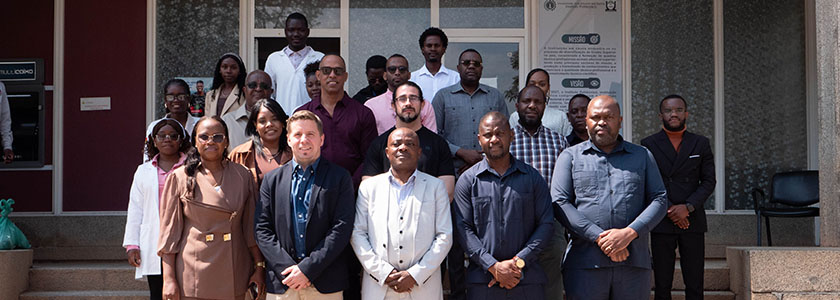
On October 28th, the Universidad Europea del Atlántico (European University of the Atlantic, UNEATLANTICO) and the Universidade Internacional do Cuanza (International University of Cuanza, UNIC), leaders of the European Erasmus+ project “Clinical Simulation Practice-Based Learning in Nursing” (CLINICALSIM, 2023–2026) and members of FUNIBER’s International Academic Network, participated in the international closing conference for this initiative, held in Huambo, Angola and organized by the Instituto Politécnico da Universidade José Eduardo dos Santos (Polytechnic Institute of the José Eduardo dos Santos University, IP-UJES).
The event took place as part of the consortium’s final meeting, held from October 26th to 29th, during which various activities were carried out, including a Service Learning workshop, sessions to share experiences, and a groundbreaking ceremony for a Nutrition Laboratory at UJES.
A Conference of Institutional Significance
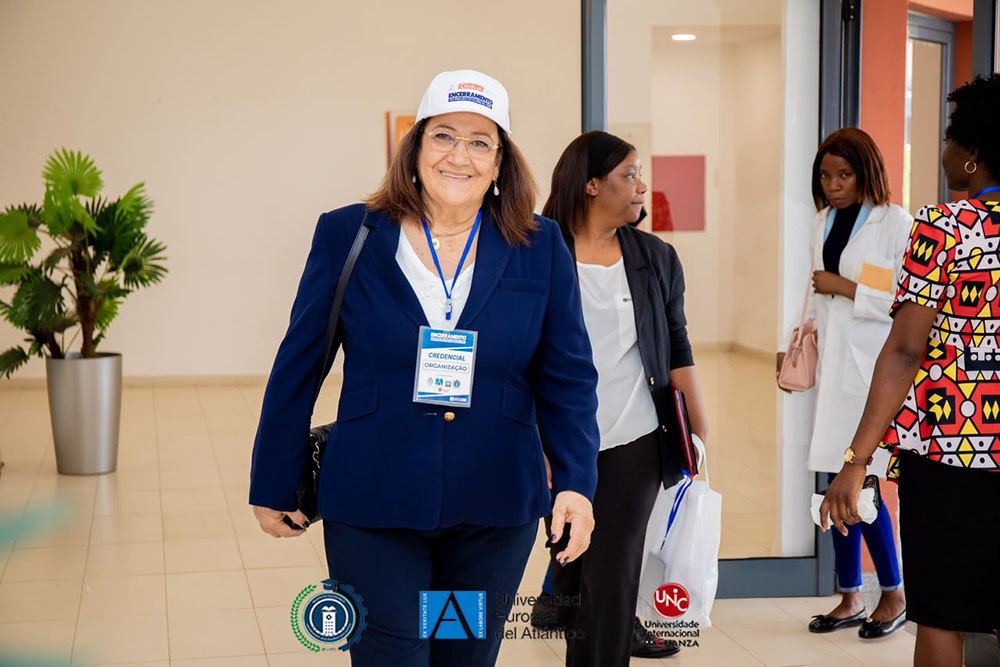
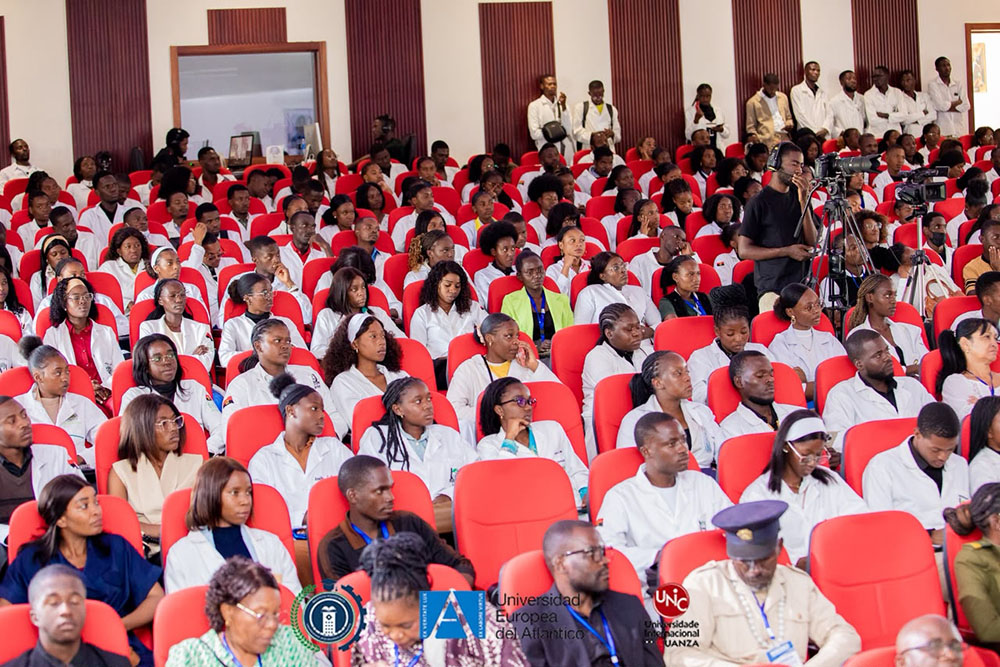
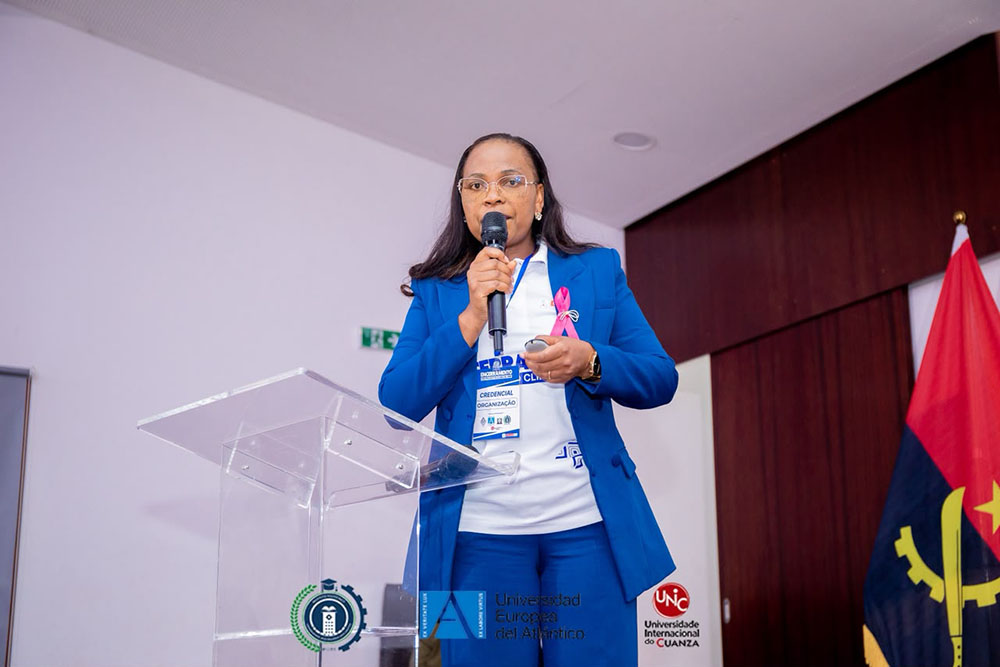
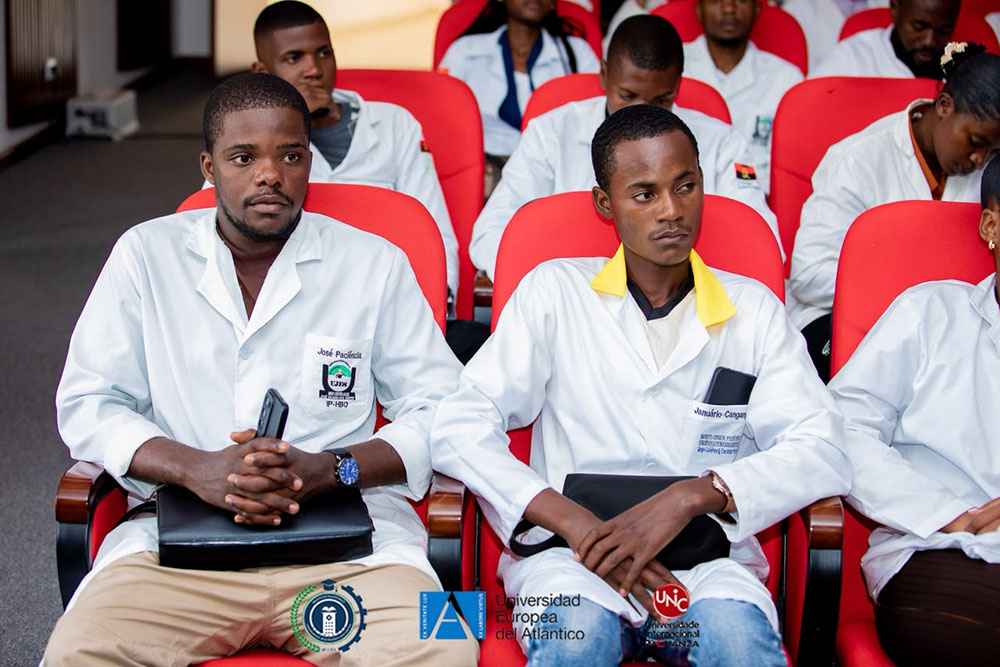
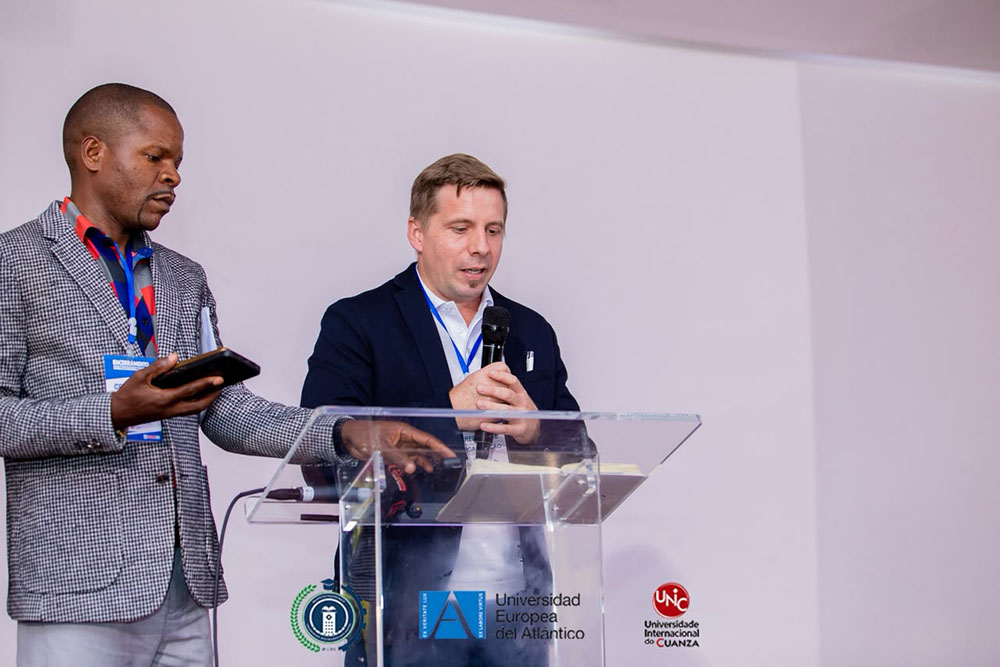
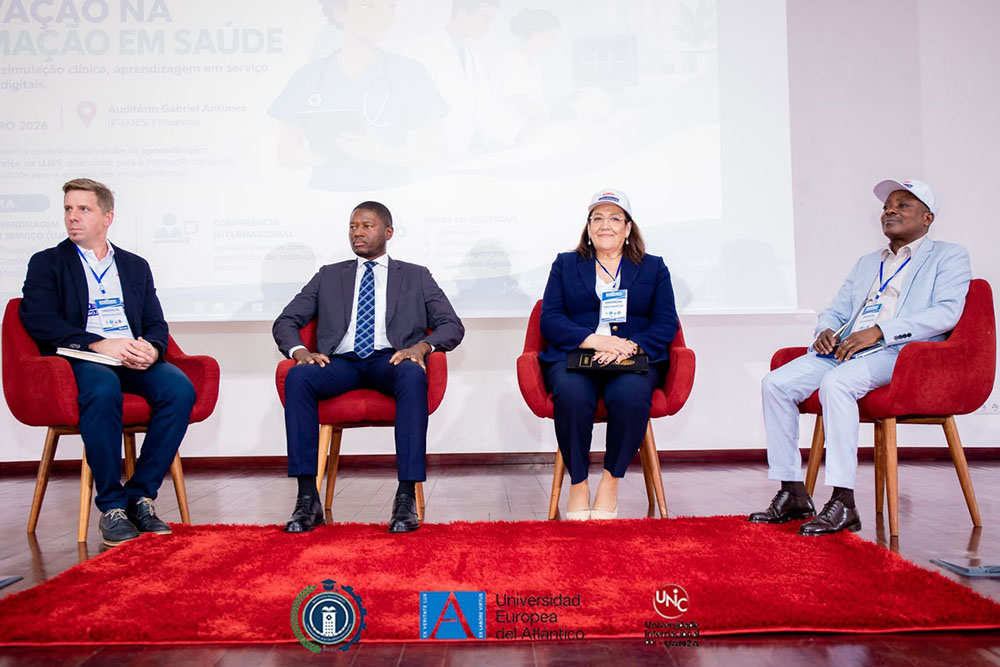
The project’s final conference brought together academic representatives, institutional officials, healthcare professionals, faculty members, researchers, and students to present the results of 36 months of work and share experiences regarding the incorporation of clinical simulation into nursing training.
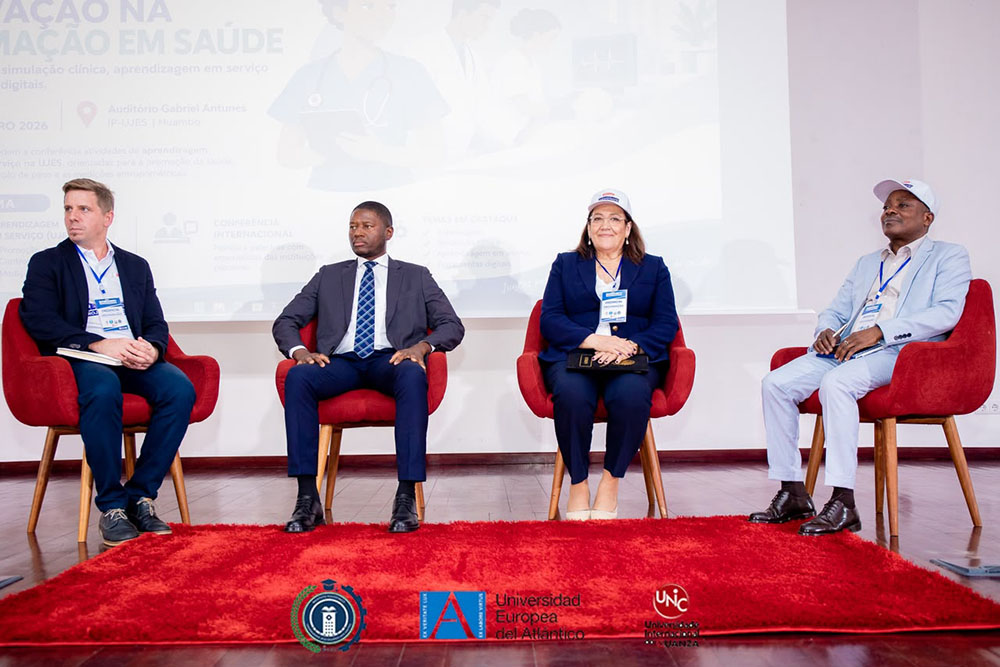
The event began with remarks by the provincial vice-governor for Political, Economic, and Social Affairs, Dr. Angelino Elavoco, on behalf of governor Pereira Alfredo; the rector of Universidade José Eduardo dos Santos, Dr. Virgínia Lacerda Quartim; the director of the Polytechnic Institute, Dr. Herculano Salvador João; and the project coordinator, Dr. Thomas Prola.
The event was attended by all partners of the project, its leader, the Universidad Europea del Atlántico (UNEATLANTICO); the Polytechnic Institute of Portalegre (IPP) in Portugal; the Universidade Internacional do Cuanza (UNIC), the Universidade José Eduardo dos Santos (UJES), and the Ordem dos Enfermeiros de Angola (Angolan Nurse Association, ORDENFA).

Clinical Simulation, Digital Technologies, and Innovation in Nursing and Nutrition Training
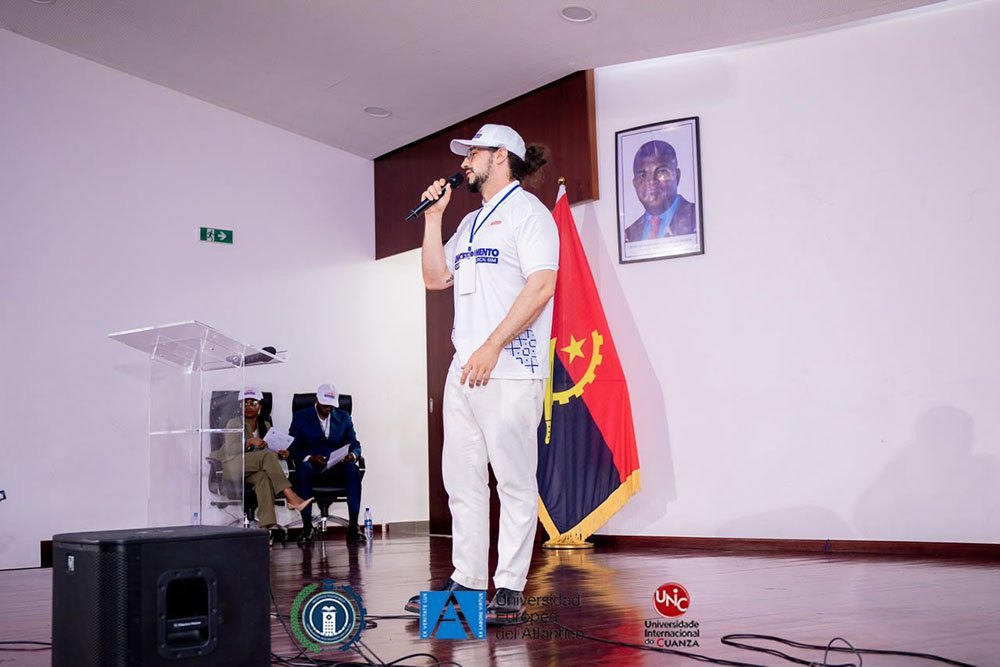
The session began with an opening presentation titled “Commitment to Improving Society Through Nurse Training” delivered by Dr. Leonardo Hernández, professor at UNIC. The expert emphasized that nursing education must go beyond the acquisition of technical knowledge and incorporate values such as empathy, dignity, responsibility, and solidarity, from a pedagogical perspective.
He also emphasized the need to integrate the family, the community, and living conditions into care processes. In this regard, he explained that clinical simulation allows students to practice not only technical procedures but also communication skills, interprofessional collaboration, and recognizing patients’ emotional needs.
The program included the presentation “Improving Nursing Training in Angola,” by Eduardo Caiangula. from ORDENFA, who addressed the challenges and opportunities for strengthening the preparation of future professionals. During his remarks, he emphasized the importance of regulating the profession and improving professionals’ preparedness in the face of epidemiological changes and population aging, among other reasons.
For his part, Dr. Jaime Azpiazu, a professor at UNIC, presented the Service Learning experience conducted at the Universidade Internacional do Cuanza (UNIC). In his presentation, he explained how this methodology makes it possible to apply the knowledge gained in the classroom to real-life situations in communities, promoting hands-on learning and the identification of health needs.
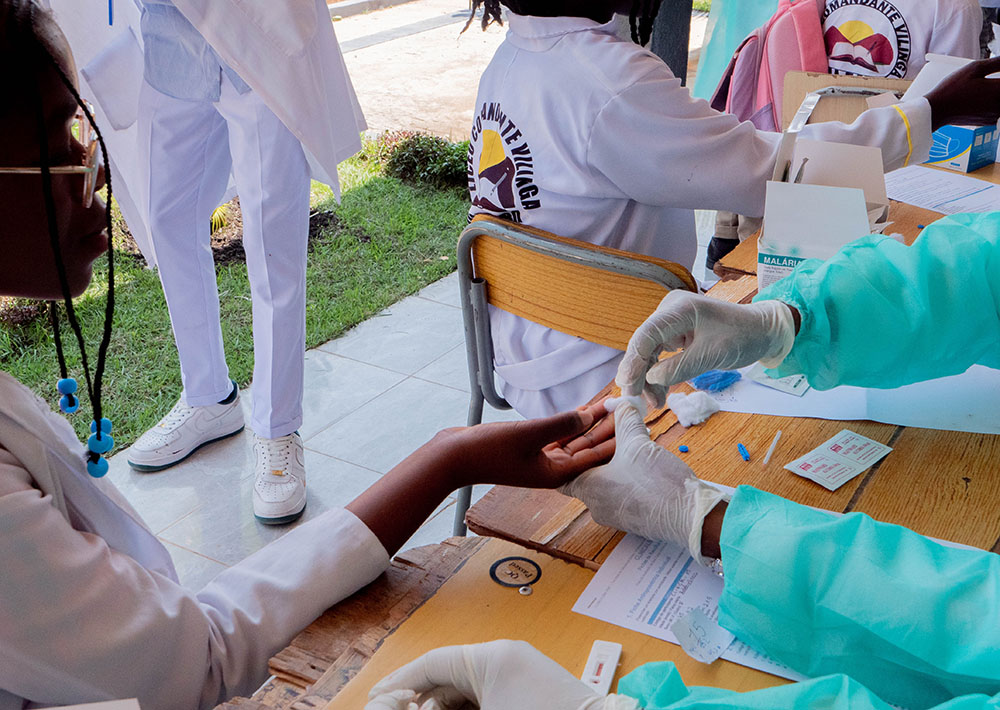
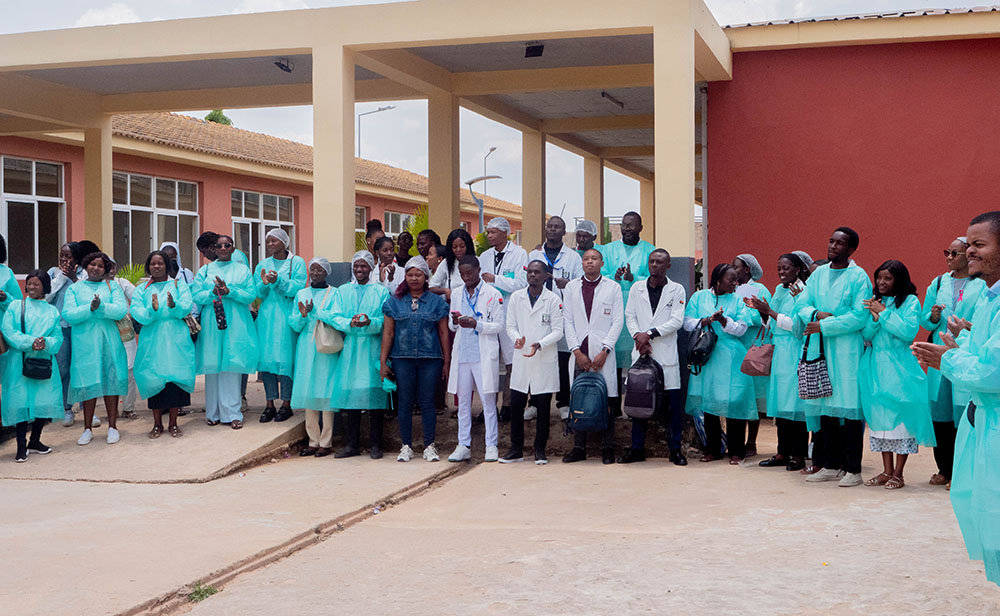
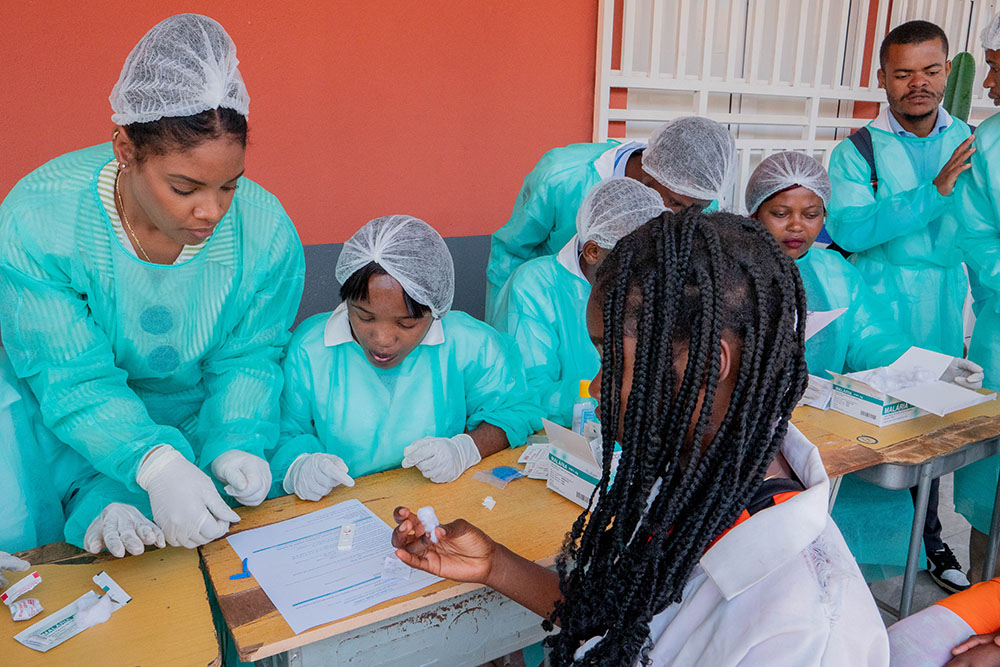
The presentation focused in particular on activities related to nutrition education, anthropometric assessment, blood pressure measurement, and the analysis of the population’s dietary habits and lifestyles.
Next, professors Marlene Morim and Patrícia Fio from the Instituto Politécnico da Universidade José Eduardo dos Santos presented their experience implementing a virtual lab as a teaching tool for nursing education. First, Marlene Morim explained the pedagogical foundations of this methodology and its potential for linking theoretical content to simulated clinical situations. Among its main objectives, she highlighted the development of clinical reasoning, critical thinking, autonomy, and decision-making skills in a safe environment.
For her part, Patrícia Fio detailed how the program is applied in practice at the institution, with exercises related to initial patient assessment, vital sign measurement, safe medication administration, maternal and child care, hygiene, and infection control, among other areas.
Dr. Sofia Roque, professor at the Higher School of Health at the Portalegre Polytechnic Institute (IPP), participated remotely to present the results of the pilot study on the nursing simulation method developed within the CLINICALSIM framework.
The study involved 385 nursing students from two Angolan institutions: Universidade José Eduardo dos Santos and Universidade Internacional do Cuanza. The study assessed students’ satisfaction with clinical simulation experiences and the perceived benefits of using high-fidelity simulators.
The results showed that this methodology was viewed positively. More than 90% of the participants reported improvements in their technical competencies, while progress was also noted in critical thinking, decision-making, and the ability to apply theoretical knowledge to practical situations.
Continued International Cooperation Through the Erasmus+ MAHINE Project
Toward the end of the conference, Dr. Thomas Prola, coordinator of CLINICALSIM, reflected on the results achieved and the importance of building on the capabilities developed during the project.
Among the main achievements were the launch of a high-fidelity laboratory at UNIC, the implementation of the virtual laboratory, the provision of equipment, and pedagogical resources for the Instituto Politécnico da Universidade José Eduardo dos Santos and the training of teachers and professionals.
During his presentation, the speaker introduced attendees to the MAHINE project, funded by the European Union as part of capacity-building initiatives, led by UNEATLANTICO, with the participation of institutions such as the Universidade José Eduardo dos Santos, its Polytechnic Institute, the Universidade Internacional do Cuanza (UNIC), and the Università Politecnica delle Marche (Marche Polytechnic University, UNIVPM), in Italy, among other partners.
During his presentation, Thomas Prola explained that MAHINE stems from the need to address malnutrition from a perspective that goes beyond healthcare. To that end, he presented the nutrition-sensitive agriculture approach, which takes into account different stages of the food chain: food production, the use of plants and plant species, consumption habits, and processing and marketing.
One of the areas of focus involves recovering and studying traditional plants and native vegetables from Angola, especially those forgotten or underutilized species that can help improve the population’s diet. This initiative will be complemented by an analysis of soils and agricultural production systems, as well as measures aimed at addressing the effects of climate change.
The meeting highlighted the importance of maintaining academic partnerships and leveraging the resources developed to continue promoting educational innovation, research, and improvements in healthcare.

“Funded by the European Union. However, the views and opinions expressed are solely those of the author(s) and do not necessarily reflect those of the European Union or the Education, Audiovisual, and Culture Executive Agency (EACEA). Neither the European Union nor the granting authority can be held responsible for them.”