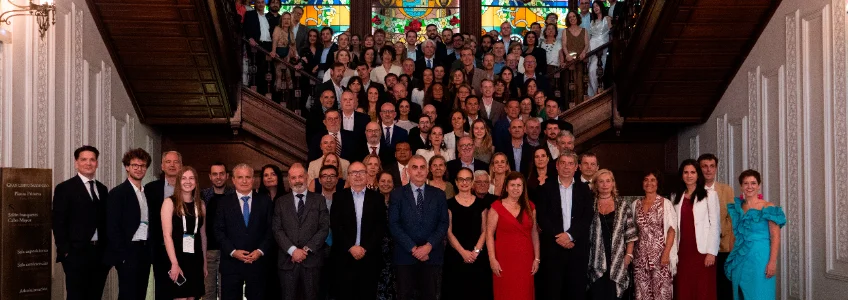
The Ibero-American University Foundation (FUNIBER), the Universidad Europea del Atlántico (European University of the Atlantic, UNEATLANTICO) and the Enterprise and Climate Foundation (FEC) have inaugurated the fifth edition of the International Climate Action Congress (CIACC 2026), a leading international forum that brings together experts, companies, and institutions to analyze the main challenges and opportunities of the climate transition from scientific, business, and regulatory perspectives. The event is taking place on July 1 and 2 in Santander and, for the fifth consecutive year, is being hosted at the UNEATLANTICO campus, an institution that is part of FUNIBER’s university network.
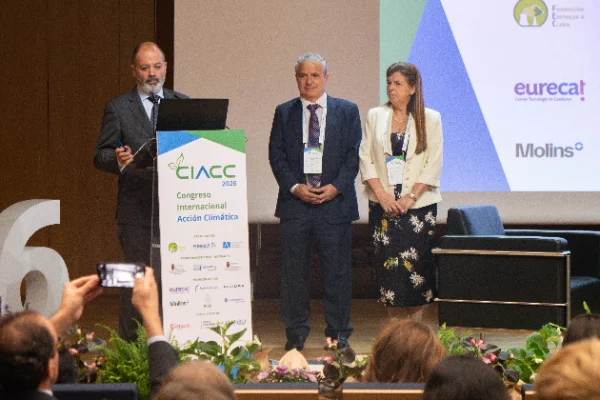
The opening session featured Dr. Santos Gracia, president of FUNIBER; Dr. Rubén Calderón, rector of UNEATLANTICO; Juan Luis Martín Ayala, Vice Rector for Research and Knowledge Transfer at the University; Dr. Elvira Carles, Director of the Empresa y Clima Foundation; and Dr. Roberto Media, Regional Minister of Development, Housing, Land Use Planning, and the Environment for the Government of Cantabria.
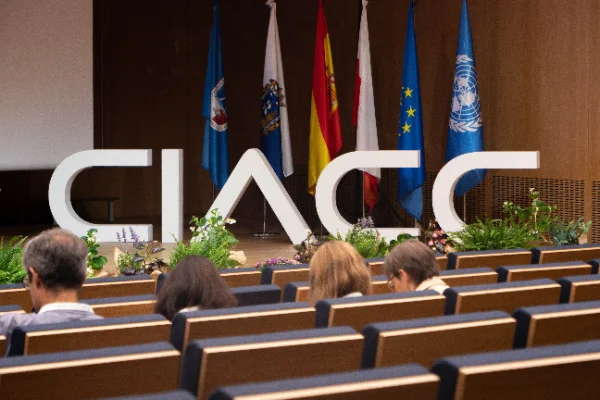
Over the course of two days, the conference brings together specialists from academia, institutions, and the business sector to address key issues related to climate risk management, the evolution of the European regulatory framework on sustainability, and the impact of new technologies on the ecological transition. Through keynote presentations and roundtable discussions, the program promotes the exchange of knowledge and experiences among international experts, strengthening the dialogue between universities, businesses, and public institutions.
Climate Risks and Corporate Sustainability
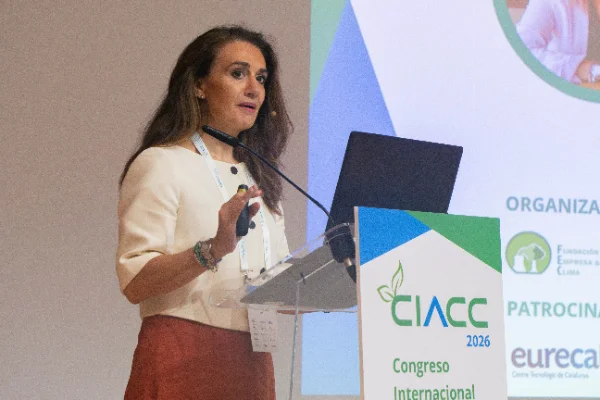
The opening session of the academic program focused on the financial and physical risks of climate change for businesses, featuring the presentation “Financial and Physical Risks of Climate Change for Businesses,” delivered by Paula Romero, director of Alternative Risk Transfer Solutions at Aon Spain.
During her presentation, she analyzed how climate risks are increasingly affecting business operations, distinguishing between acute risks—such as extreme heat waves or wildfires—and chronic risks, including rising temperatures and sea-level rise. She also emphasized that organizations that incorporate adaptation and sustainability strategies not only reduce their exposure to these risks but also generate new opportunities for growth.
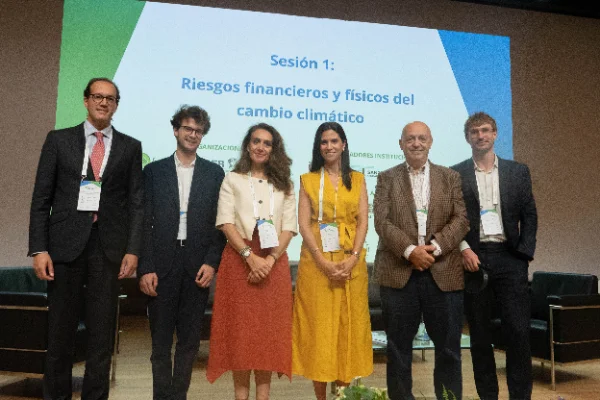
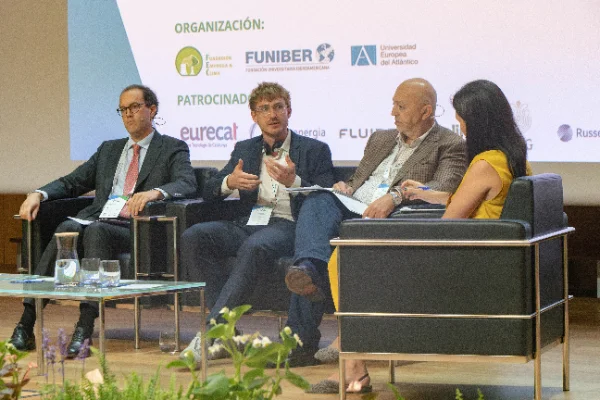
The session continued with a roundtable discussion featuring Juan María Marqués, Commercial Director for Iberia and Central Europe at Descartes Underwriting; Hannes Matt, startup advisor and ESG risk manager; Antonio Soria, Unit Head at the European Commission’s Joint Research Center (JRC); and Augustin Lion Atlan, climate risk expert at the Bank of France, who shared different perspectives on managing risks stemming from climate change.
Regulatory Developments and Corporate Sustainability
The second session was dedicated to analyzing regulatory changes and their impact on companies. Núria del Pozo, legal director at the Empresa y Clima Foundation, presented an overview of the changes introduced by the Omnibus Directive, the evolution of the Corporate Sustainability Reporting Directive (CSRD), and the development of the European Sustainability Reporting Standards (ESRS).
During her presentation, she explained the main regulatory developments, including the simplification of certain obligations, the planned exemptions, the new proposal drafted by EFRAG, and the anticipated timeline for implementing the reforms. She also addressed the future development of the European Sustainability Reporting Standards for non-EU groups (N-ESRS), which are currently in the consultation phase.
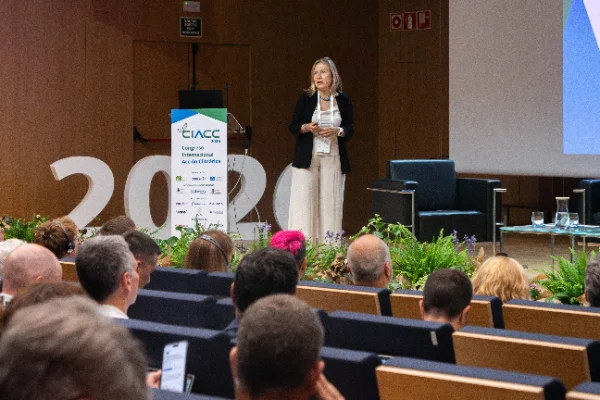
The expert also highlighted the importance of double materiality analysis as a tool for assessing both the impact of environmental, social, and governance factors on organizations’ financial performance and the effects that business activities have on society and the environment, thereby promoting greater transparency and trust in the markets.
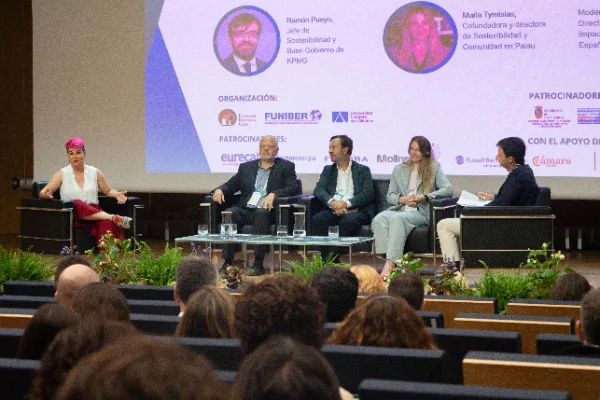
Subsequently, a roundtable discussion brought together Paula Baldó, a strategic sustainability consultant (Spain); Pedro Faria, Director of Environmental Affairs at EFRAG (Belgium); Ramón Pueyo, Partner in charge of Sustainability and Good Governance at KPMG (Spain); and Maria Tymtsias, co-founder of Palau and Chief Community & Sustainability Officer (Belgium).
Artificial Intelligence and the Green Transition
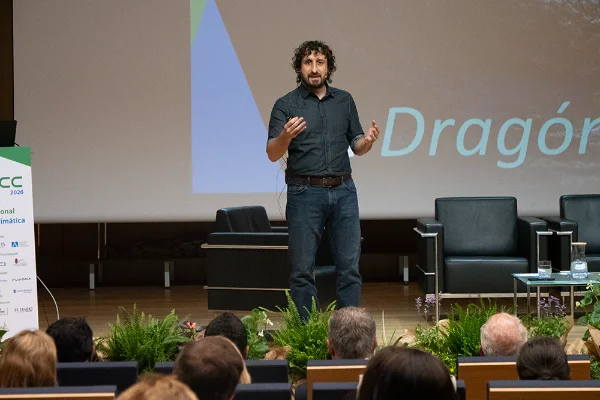
The third session focused on the role of artificial intelligence in sustainability and the green transition. The keynote address was delivered by Roger Pastor, an entrepreneur, consultant, and public speaker specializing in innovation, digital transformation, and artificial intelligence.
Participants agreed that artificial intelligence is a strategic tool for accelerating decarbonization and developing innovative solutions in fields such as healthcare, education, industry, and environmental management.
The session continued with a roundtable discussion featuring Ana Lilia Barbosa, founder and director of Ágora Educación (Mexico); Alexandra Lillo, senior specialist in regulation and ethical governance of artificial intelligence at the Catalonia Observatory on Ethics in Artificial Intelligence (Spain); Soumya Sarkar, full professor of Electronics at the University of Southampton (United Kingdom); and Pol Torres, head of the Energy and Agri-Food research line at the Applied Artificial Intelligence Technology Unit of Eurecat (Spain).
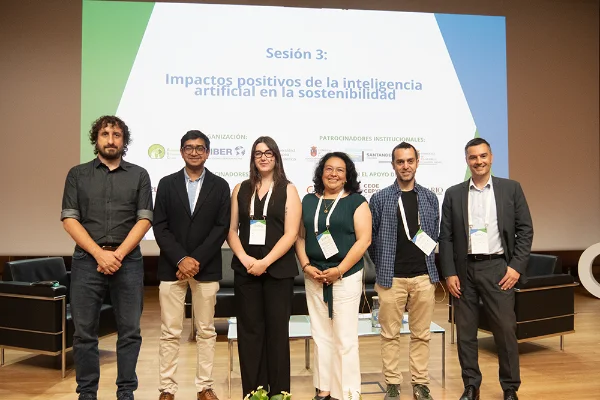
In this context, the need to promote more efficient, responsible, and accessible artificial intelligence models—capable of contributing to a sustainable ecological transition aligned with major international environmental challenges—was highlighted.
The CIACC 2026 conference reaffirms the commitment of FUNIBER, UNEATLANTICO, and the Empresa y Clima Foundation to promoting international forums for dialogue, research, and knowledge transfer in the areas of sustainability and climate action. Through this conference, the organizing institutions are strengthening collaboration among the academic community, the business sector, and public administrations to foster the development of innovative solutions to global environmental challenges.